Home / History / Lyon, capital of the Resistance
Lyon, capital of the Resistance
Lyon is nicknamed the capital of the Resistance, a phrase attributed to General de Gaulle in 1944. In the free zone until November 1942, then occupied until 2 September 1944, the city saw underground movements arise and housed Klaus Barbie's headquarters.
A city of underground presses
Lyon was first occupied from 19 June to 7 July 1940, then from 11 November 1942 to 2 September 1944. In between it lay in the free zone, where journalists and writers gathered. Hidden presses printed leaflets and newspapers such as Combat, Libération, Franc-Tireur and Le Coq enchaîné, and forged false papers. The three major movements of the southern zone came out of them.
The Gestapo and Klaus Barbie
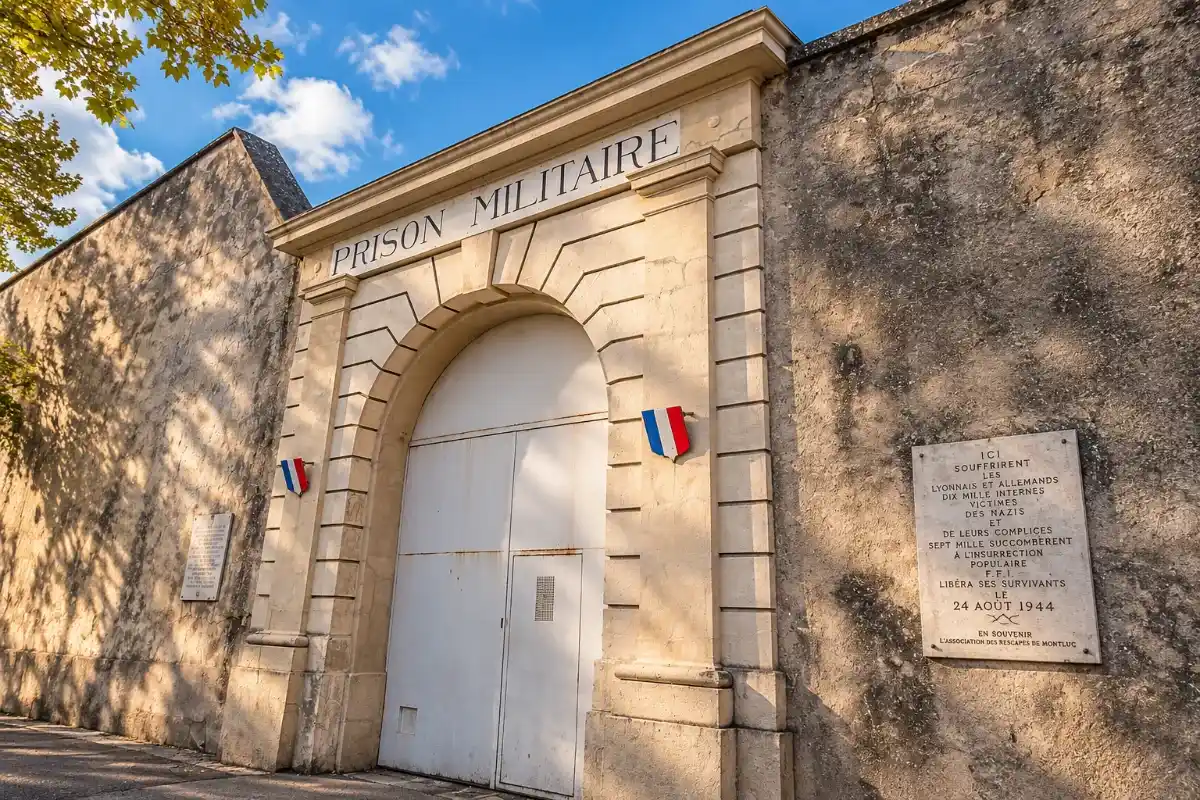
From November 1942 the Gestapo set up first at the Hôtel Terminus, near Perrache, then in the military medical school on avenue Berthelot. Montluc fort served as a prison. Klaus Barbie, who arrived at the end of 1942, led the repression: surveillance, arrests, torture. He was tried in Lyon in 1987.
Jean Moulin
Sent by de Gaulle to unite the resistance movements, Jean Moulin (1899-1943) settled in Lyon in early 1942 and created the Mouvements unis de la Résistance. He was arrested in Caluire on 21 June 1943 and died on 8 July while being transferred to Germany. His ashes have rested in the Panthéon since 1964.
August 1944: the road to Liberation
On 15 August 1944, French and American troops landed in Provence (Operation Dragoon) and swiftly moved up the Rhône valley. Before leaving, the Germans set fire to Perrache and Brotteaux stations, then blew up the bridges on 2 September. The next day, from six in the morning, Allied soldiers entered the Presqu'île without difficulty.
Liberation and memorial sites
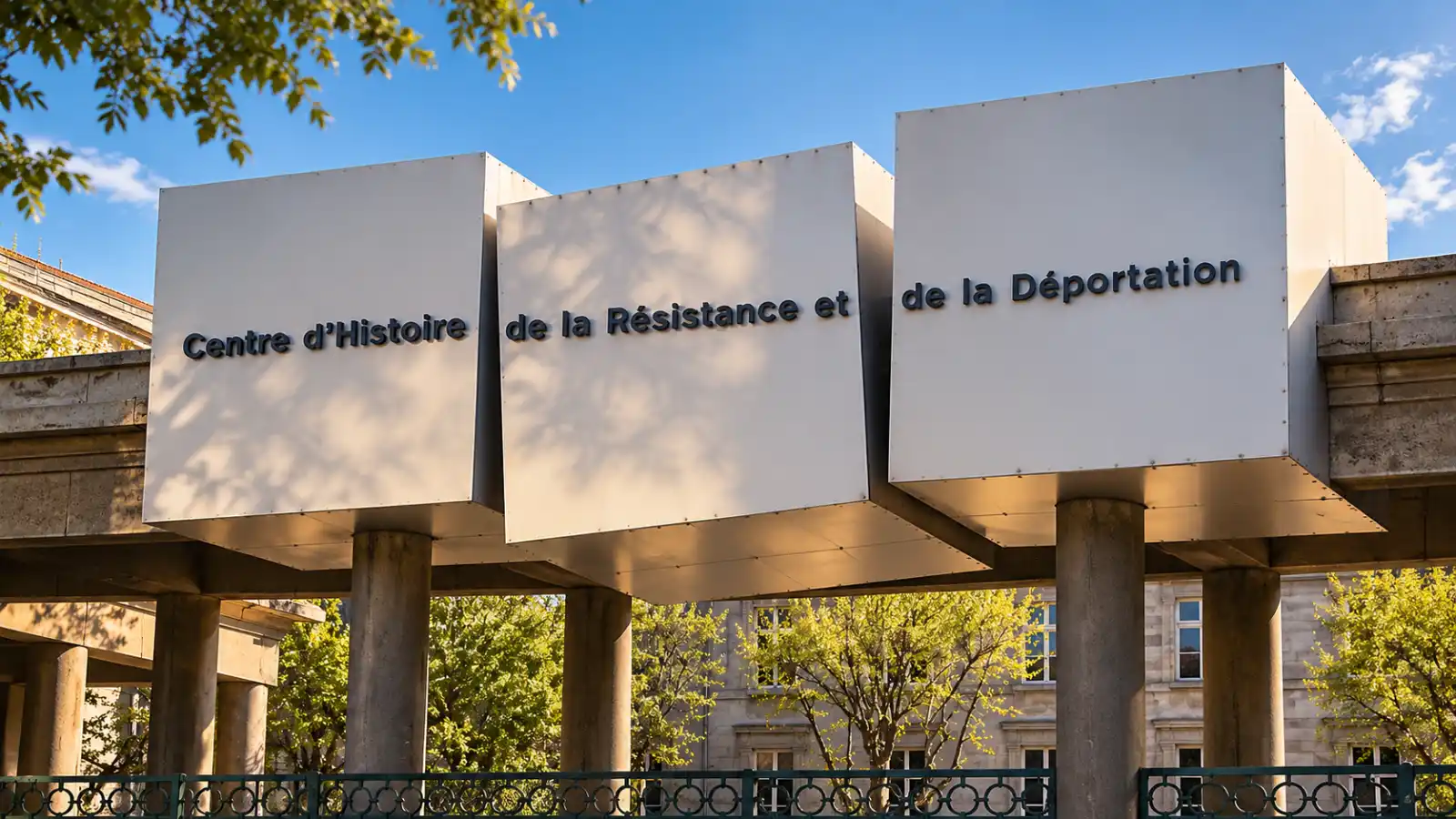
On 2 September 1944 the Germans blew up the bridges before leaving. Allied troops entered the Presqu'île on 3 September. Today the Centre d'histoire de la Résistance et de la Déportation occupies the former Gestapo headquarters on avenue Berthelot, and the Montluc prison memorial is open to the public.
Frequently asked questions
Why is Lyon the capital of the Resistance?
Because major movements were born there, Jean Moulin based himself there and de Gaulle used the phrase in 1944.
Where was Jean Moulin arrested?
In Caluire, a suburb of Lyon, on 21 June 1943.
 Lugdunum, the Rome of the Gauls
 The Lumière brothers and the birth of cinema
Updated 25 October 2026.